Leaving military service and entering the civilian job market can be a daunting prospect. There are many new considerations, and CV writing can be a serious headache if you're not used to it. How many times have you had to write one during your military career? Thankfully, there are some tried and tested tips for impressing the civilian head shed.
The core challenge is this: the skills, discipline, and experience you've built up over a military career are genuinely impressive — but they need translating for an audience that may have no frame of reference for them. The five tips below will help you make that translation effectively.
-
Study the competition Everyone knows that a fair bit of sharing goes on in the military — don't be afraid to see what the civilians are doing. Find some example CVs and study them. You're not looking to copy skills or qualifications, but you can get very useful pointers on layout and content. The best CVs will jump out at you as high quality before you've even read a word. Aim to make yours match that standard.
-
Stay relevant You'll have completed a multitude of courses and achieved things your colleagues were genuinely impressed by — but civilian recruiters won't have a clue what you're talking about if it's too service-specific. Keep qualifications relevant to the role you're going for. If you were a whiz on the GPMG, that probably doesn't belong on a finance application. Leave the technical specifics out, but keep the transferable traits in: diligence, composure under pressure, and a proven ability to learn quickly.
-
Avoid technical jargon and abbreviations If you're moving from the RAF to British Airways as an airframes and engines engineer, you're likely speaking the same language. If you're changing trade altogether, cut the abbreviations and acronyms. Write everything out in full to avoid confusion. And leave the banter out — this is a professional document, and your new civilian colleagues will find out what a great sense of humour you have soon enough.
-
Include course dates In the civilian world, employers want to see a continuous thread of activity throughout your career. If you've served for a long time, you may only have one or two employers listed — which can look sparse. Listing your main course dates with approximate years fills that gap, showing a steady flow of self-improvement and demonstrating that your experience is far richer than a simple job description would suggest. Time at sea becomes alive with activity once training and development is included.
-
Be flexible and patient The civilian job market can be saturated. You'll need to keep sending applications and be prepared to adapt your CV for each new role. Determination, flexibility, and patience — qualities you've already demonstrated — are your allies here. There is less "who you know" in civilian street, so your CV has to do the talking. Work hard, stay positive, and your targeted approach will get results.
Also worth reading
Not sure how your military rank or role translates into civilian terms? Our guide to Military Positions and their Civilian Equivalents breaks down the most common transitions and how to frame them for a civilian recruiter.
Specialist Military-to-Civilian CV Service
Translating military experience into civilian language is a specialist skill. Our writers understand the nuances of service careers and know exactly how to present your background to make civilian recruiters sit up and take notice.
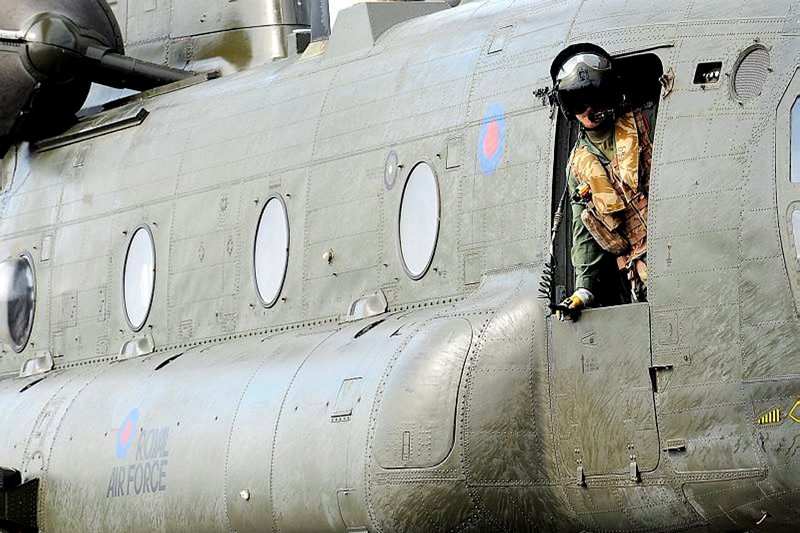
Image courtesy of defenceimagery.mod.uk