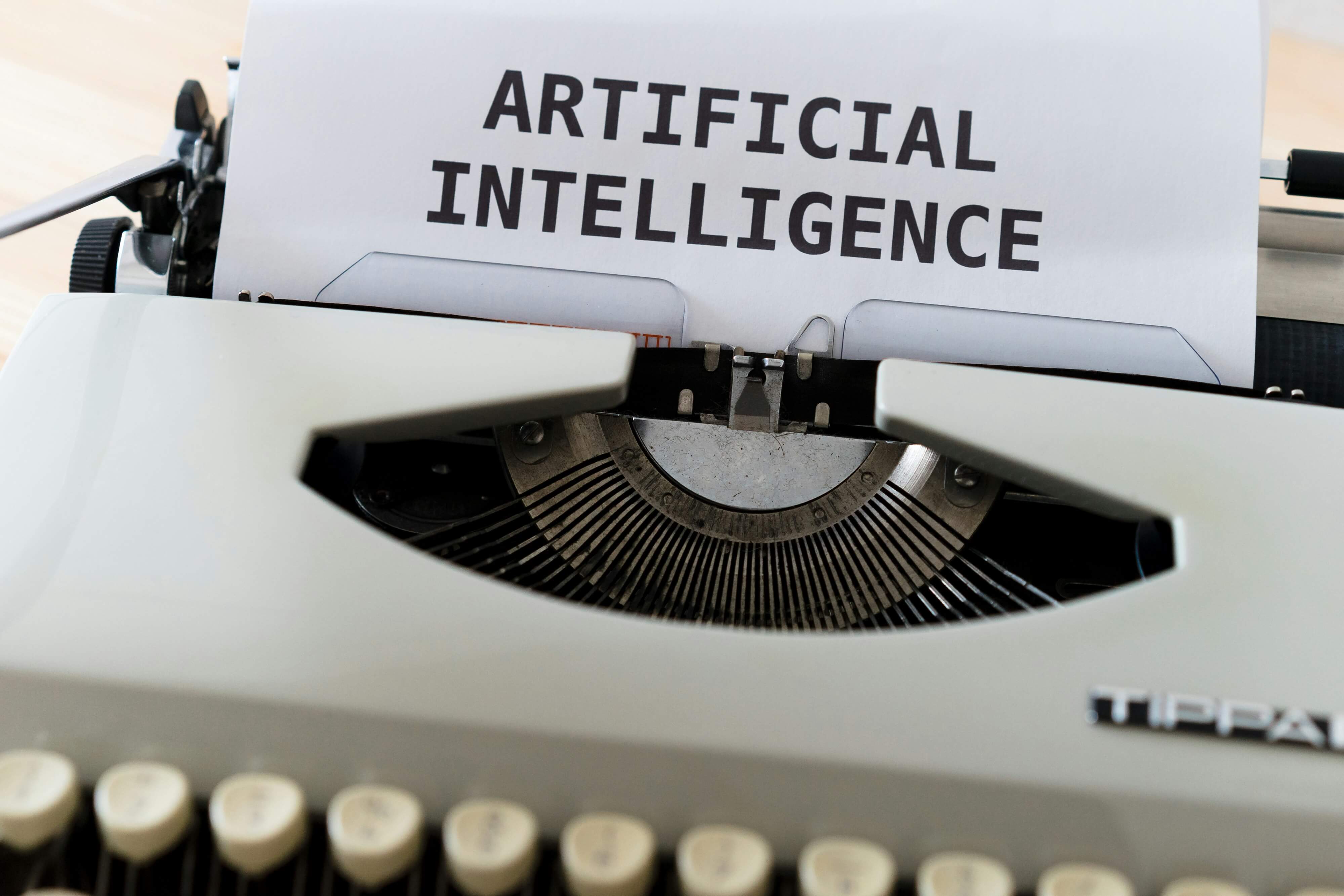
 Photo by Markus Winkler
In the race for efficiency, many senior leaders are falling into a dangerous trap: delegating their professional legacy to generative AI.
The "Cookie-Cutter" Crisis
AI draws from common patterns across millions of CVs, resulting in repetitive buzzwords, including "strategic visionary." Recruiters expect a distinctive leadership narrative; AI delivers the opposite: bland, over-polished, and mechanical content.
Human vs. Machine Disconnect
To understand why "Zero AI" is your strongest play, here's an example of how an algorithm handles a strategic outcome versus a bespoke human consultant:
Result: Generic, emotionally vacant, and easily spotted.
Result: Authentic, evidence-based, and strategically weighted.
A bespoke, human approach is the only way to build a true Board-Ready Narrative that resonates with a Chairperson and Remuneration Committee.
Why AI Backfires for Senior Appointments
-
1. Lack of Authentic Personal Voice
Executive CVs must showcase high-level influence and board navigation. AI struggles to capture the "soft power" or industry-specific nuance of a personal brand. The result? An "emotionally vacant" and mechanical CV.
The truth hits hard: the AI CV version might get you past the first filter, but it rarely survives a 30-second conversation with a recruiter / HR Manager. The human one? It sparks curiosity. "Tell me more about that board resistance..."
-
2. The Detection Red Flag
Surveys show that around three-quarters of recruiters believe they can spot AI-written CVs and Executive Biographies almost immediately — often through telltale overly perfect grammar, repetitive phrasing, and strangely uniform formatting. For senior roles in particular, heavy AI use is increasingly viewed as a red flag for laziness — or worse — a lack of personal integrity.
-
3. The Risk of "Hallucination"
AI can invent plausible-sounding details or inflate scope to match a job description. At the C-suite level, these inconsistencies unravel quickly during reference checks or background verifications; potentially leading to offer rescission.
-
A quick tip on formatting... It is often much easier to structure your own thoughts once you see how other leaders have handled theirs. If you are struggling to get your experience down to two pages, we have curated a small gallery of Director level CV examples and C-suite samples that have been successful in the current UK market.
Take a look at the executive gallery →4. Undermining the Full Recruitment Process
The mismatch between a generic, AI-polished document and your real speaking style becomes obvious during deep behavioural interviews. Inability to elaborate on AI-written claims quickly exposes the disconnect.
Don't let an algorithm define your achievements
Your leadership is a unique asset. Protect your professional brand with a bespoke executive CV.